

 English





Best Place to Sit at Stade de France
Written by Aviran Zazon | Last updated on February 1, 2026
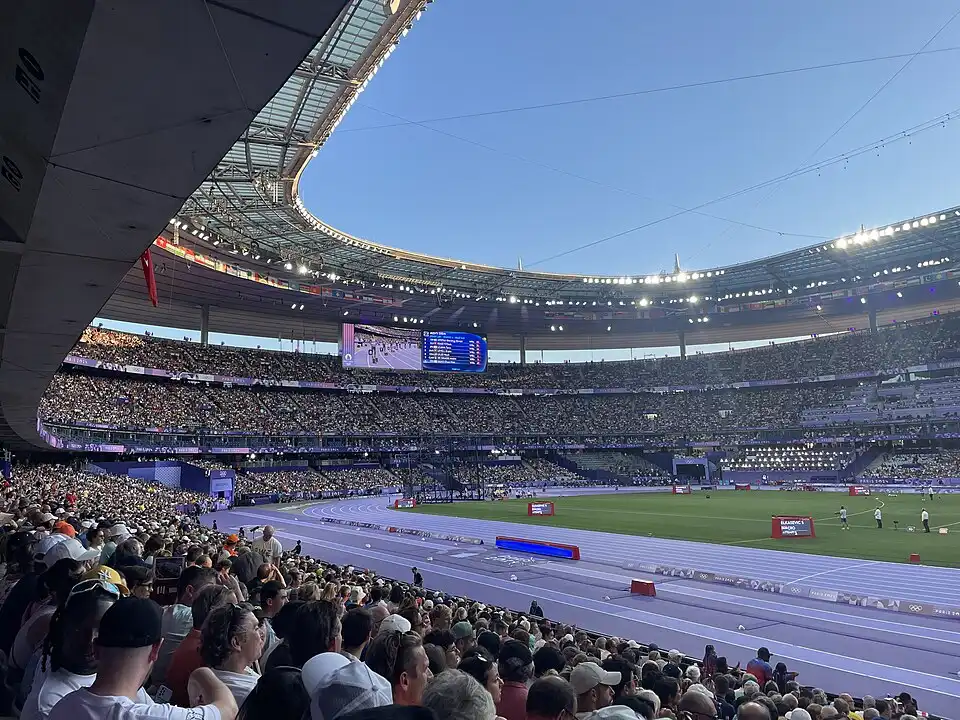
Stade de France is France’s national stadium — huge, iconic, and built for big occasions. It sits in Saint-Denis just north of Paris, and on rugby/football days you’re looking at a matchday capacity of around 81,000 with steep tiers that keep the sightlines respectable from almost everywhere.
The key question isn't whether you can see the game, but what kind of experience you want:
- Best All-Round View (read the game, follow the kicking battle, see the whole pitch)
- Best Atmosphere (noise, chanting, try-line moments)
- Best Value (strong view without paying the premium band)
- Best For Families / Lower Stress (easier access, less steep, calmer)
Availability Across Safe & Secure Marketplaces
France National Rugby vs Scotland National Rugby
Six Nations・Stade de FranceParis, FranceFrance National Rugby vs Wales National Rugby
Six Nations・Stade de FranceParis, FranceFrance vs Ivory Coast
Friendly Matches・Stade de FranceParis, CanadaThe Weeknd Paris Tickets
The Weeknd・Stade de FranceParis, Francefrom $1931,039 available tickets
Quick Decode: What Your Ticket Labels Mean
French tickets often include a few labels that look confusing at first, but they’re actually useful once you know the translation:
- Porte = gate (the lettered entrance you’ll use)
- Tribune = stand / tier (lower, middle, upper)
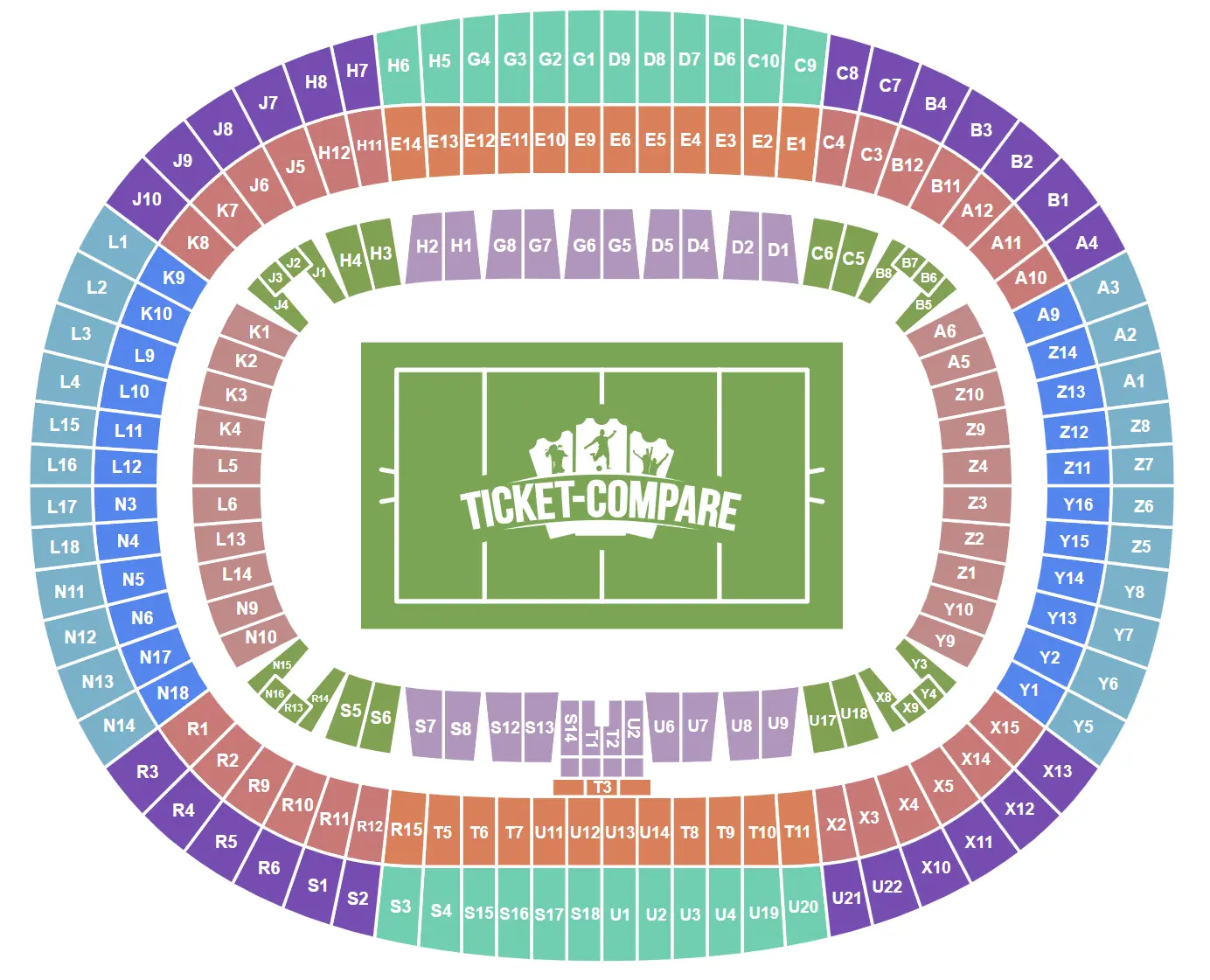
- Bloc = block (the section code like U9 or E14)
- Rang = row
- Place = seat number
Stade de France is a 3-tier bowl. In many configurations you’ll see:
- Tribune Basse (Lower): rows roughly 1–30
- Tribune Intermédiaire (Middle): rows roughly 35–59 (often the sweet spot)
- Tribune Supérieure (Upper): rows roughly 61–87 (best value when you stay in the front half)
The Best Seats Overall (If You Want The Default Best Choice)
If you want one simple answer for Stade de France, it’s this:
Middle tier (Tribune Intermédiaire) on a long side, as close to halfway as possible.
That’s the view that usually gives you the cleanest read of the match: you can track spacing, exits, kick-chase, lineouts, and phase patterns without constantly turning your head.
Best All-Round Blocks To Target (Common Ticket Labels)
On many listings you’ll see long-side blocks labelled by gate letter + number. Two common long-side examples are:
- West Side: Porte U blocks (examples like U6–U10 are typically the near-halfway targets)
- East Side: Porte E blocks (examples like E6–E10 are typically the near-halfway targets)
If your perfect block isn’t available, don’t overthink it: staying on a long side and keeping close to the center line matters more than the exact number.
Best Seats For Atmosphere (If You Want Noise And Try-Line Moments)
For France games, the stadium can feel properly big-match — especially in the shortside ends where the crowd gets more end zone energy: tries coming at you, conversions in front of you, and more singing/chanting momentum.
- Best Atmosphere Pick: lower or middle tier behind the posts, as central as you can get
- Budget Atmosphere Pick: upper tier behind the posts, but front half of the section (avoid the very back rows if you don’t love heights)
Best Value Seats (Strong View Without Top-Tier Pricing)
Value at Stade de France usually means upper tier on a long side — but only if you stay in the front half. You’ll be high enough to see everything clearly, and close enough to still feel connected.
Value Targets
- Upper Long Side: pick long-side blocks and prioritize lower row numbers within that tier
- Upper Corners: can be a smart discount option if you stay low in the section
Seats To Be Careful With
There aren’t many “awful” seats at Stade de France, but a few patterns catch people out:
1) Very Back Rows In The Upper Tier
It’s steep up there. If you’re not great with heights (or you’re bringing kids), aim for the front half of the upper tier, or step down to the middle tier.
2) Oddball Rows That Can Have Quirks
Stade de France has some unusual row numbering/locations in certain areas (for example, some references flag row 60 as a problematic row in practice). If you’re choosing between rows, mid-tier “normal” rows are the safer bet.
Practical Matchday Tips
Arrive early. For major fixtures (Six Nations, World Cup, big France tests), queues can stack up around entry, food, and drinks. A common fan recommendation is to treat 2 hours early as a sensible baseline on big days.
Use "View From My Seat" tools. If your ticket listing includes Porte / Bloc / Rang, you can often sanity-check the view using seat-view tools (especially helpful when you’re choosing between two similar options).
So, What Should You Buy?
| Goal | Best Pick | What To Look For In Listings |
|---|---|---|
| Best All-Round View | Middle tier, long side, near halfway | “Tribune Intermédiaire” + long-side “Porte/Bloc” near center |
| Best Atmosphere | Behind the posts, central if possible | Shortside blocks + lower/middle tier |
| Best Value | Upper tier long side, front half | Upper tier + low rows within the section |
| Family / Lower Stress | Middle tier on a long side | Avoid very back upper rows; prioritize simpler access |
When you’re ready to buy, the easiest approach is simple: compare what’s actually available by block and price across marketplaces, then choose the best long-side / center option your budget can reach.
Bottom line: For the clearest view pick a middle-tier long-side seat near halfway; for atmosphere choose lower/mid behind the posts. Compare verified listings across marketplaces at Ticket-Compare.com to quickly find the best seats for your budget.
Compare Stade de France tickets now


