

 English











Why Are Tottenham Hotspur Tickets So Expensive?
Written by Aviran Zazon
Tottenham Hotspur tickets are expensive because the club combines high Premier League demand with a stadium and ticketing model designed to extract strong matchday revenue.
For Spurs, the ticket cost is affected by category pricing, membership access, limited general admission supply, premium seating, hospitality, tourist demand and the club’s wider need to make the majestic but pricey stadium work commercially.
Starting at $50, the low price for adults may seem affordable on paper, but because of match categories, that does not mean it is easy to buy for the match most fans want.
There is also a difference between official club pricing and the wider market. Official prices are fixed by category and seat location, while hospitality pricing can move with demand, timing and scarcity.
Compare and Save!
Tottenham Hotspur vs Coventry
Premier League・Tottenham Hotspur StadiumLondon, United Kingdomfrom $657,799 available ticketsChelsea vs Tottenham Hotspur
Premier League・Stamford BridgeLondon, United Kingdomfrom $19910,972 available ticketsTottenham Hotspur vs Crystal Palace
Premier League・Tottenham Hotspur StadiumLondon, United Kingdomfrom $7011,137 available ticketsLeeds United vs Tottenham Hotspur
Premier League・Elland RoadLeeds, United Kingdomfrom $138591 available tickets
Fast Answer: Why Tottenham Hotspur Tickets Feel So Expensive
Tottenham tickets are expensive in practice because ordinary access is squeezed from several directions at once.
The club has a large stadium, but a significant share of seats is tied up in Tottenham season tickets, premium areas, hospitality, away allocations and operational holds before ordinary members get their chance.
The clearest drivers are:
- Category pricing, with the biggest matches sitting at the top end of the official price range
- Membership-gated access, which means many fans pay a decent sum before they even have a chance to buy
- Limited general sale availability, especially for high-demand fixtures
- A premium-heavy stadium model, where hospitality and enhanced seating raise the overall price ladder
- London and tourist demand, which increases willingness to pay for major matches
- Stadium debt and operating costs, which add pressure to maximise matchday income
Why Are Tottenham Hotspur Tickets So Expensive?
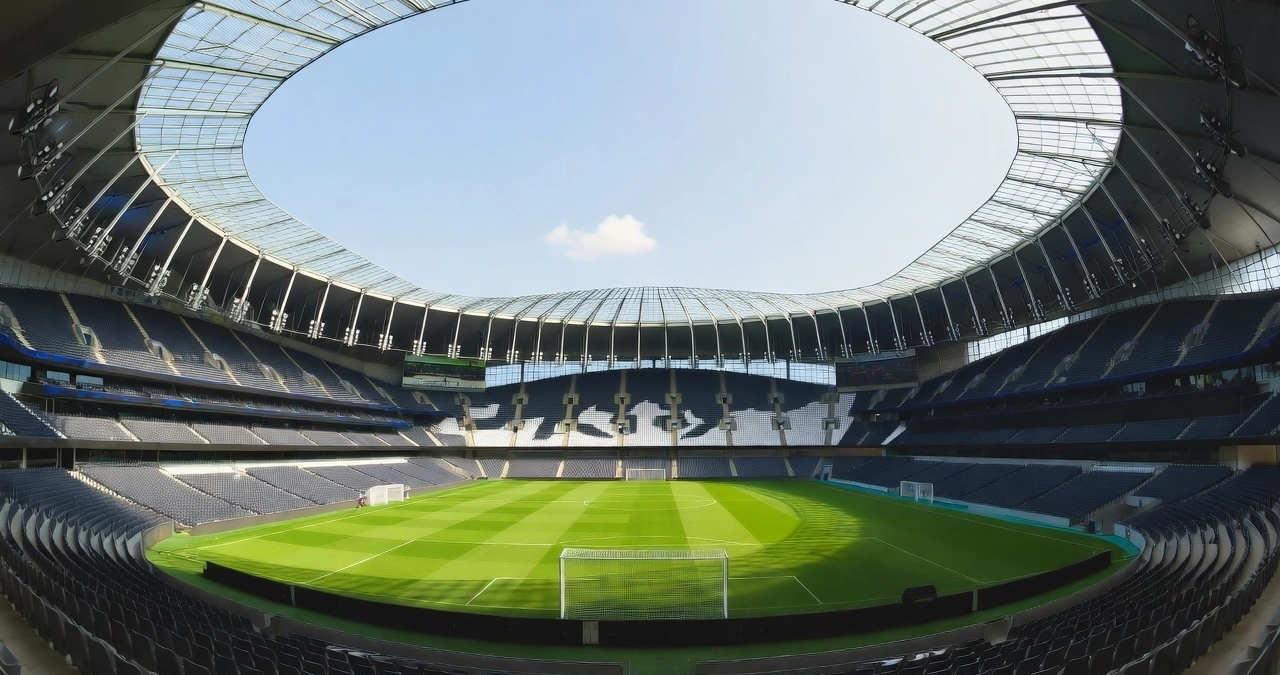
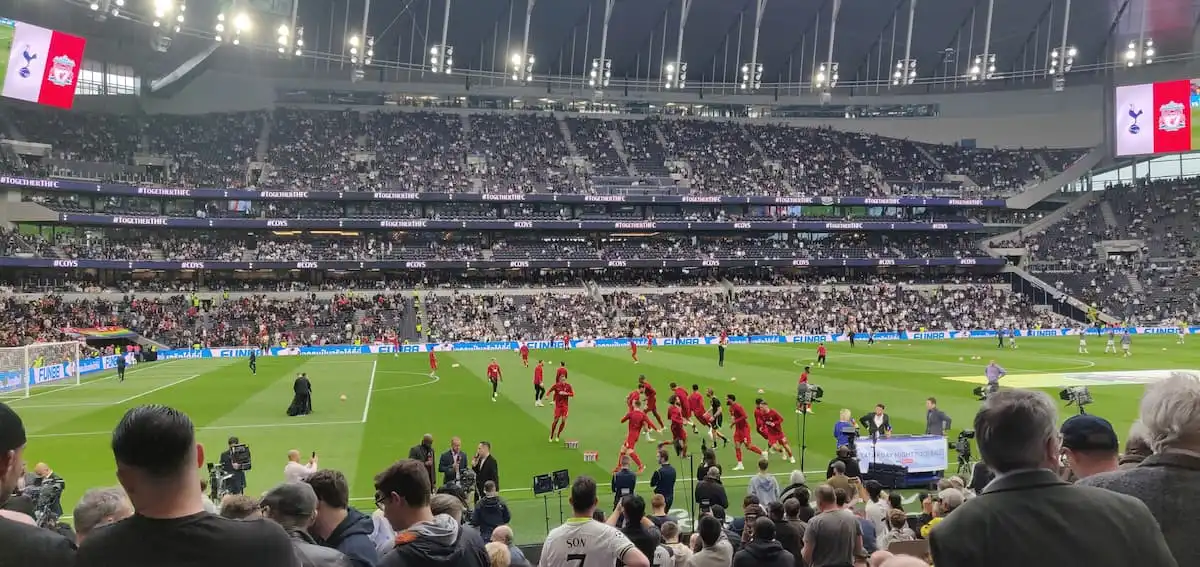
Tottenham Hotspur official tickets are expensive because Spurs operate one of the most sophisticated stadium-yield models in English football.
Barring a catastrophic relegation, the club has 19 Premier League home fixtures each season, strong demand for most of them, and a modern London stadium built to generate revenue far beyond ordinary turnstile income.
That creates a very different pricing environment from a club where match tickets are mainly about filling seats.
The pricing pressure is also structural. Tottenham Hotspur Stadium brought new earning power, but it also brought major debt and fixed costs.
That means the club has strong incentives to push matchday revenue through category pricing, premium products and controlled access to scarce inventory.
For supporters, the result is simple enough: the club may publish a broad official price range, but the price they actually encounter depends on when they try to buy, whether they hold the right Spurs membership, which match they want, where the remaining seats are, and whether the fixture has already moved beyond ordinary club availability.
Tottenham Hotspur Ticket Price Progression
The recent price history helps explain why Spurs tickets feel more expensive now than they did a few seasons ago. The most important movement came in 2023/24, when the club increased matchday prices and shifted the fixture mix towards higher categories.
| Season | Adult Home Premier League GA Match-Ticket Range | What Changed In Practice |
| 2022/23 | $40 to $130 | Final full season before the 2023/24 restructuring. |
| 2023/24 | $46 to $137 | Prices rose and the category mix became more expensive, with fewer Category C fixtures. |
| 2024/25 | $46 to $137 | Match-ticket pricing appears broadly held, while season tickets rose by 6%. |
| 2025/26 | $50 to $145 | Published adult match-ticket range increased, with prices varying by category and seat location. |
| 2026/27 | $50 to $145 frozen | General admission season-ticket and match-ticket prices frozen, with Newcastle moving from Category A to Category B. |
This table should not be read as a promise that every supporter could access the bottom of each range.
The lower end is tied to specific fixtures and locations, while the matches casual fans most often want are usually the ones where prices and demand sit highest.
Inflation-Adjusted Comparison: 2022 vs Current Prices
| Season / Basis | Low-End Ticket | High-End Ticket | What It Means In Practice |
| 2022/23 (actual prices) | $40 | $130 | Pre-restructure baseline pricing |
| 2022/23 (inflation-adjusted to today) | $46 | $150 | What those prices would be in today’s money |
| 2025/26–2026/27 (current prices) | $50 | $145 | Current official Spurs price range |
What This Shows
When adjusted for inflation, Tottenham’s ticket prices have not surged dramatically in real terms over this period.
- The low-end price has risen slightly above inflation ($46 to $50)
- The high-end price has actually increased slightly below inflation ($150 to $145)
This reflects two important realities:
- The 2023/24 restructuring increased prices and shifted more matches into higher categories, which made tickets feel more expensive at the time
- The recent price freeze for 2025/26 and 2026/27 has effectively allowed inflation to catch up, softening real-terms increases
In other words, the perception that Spurs tickets have become dramatically more expensive is not primarily driven by raw price inflation. It is driven more by how tickets are distributed, which matches fall into higher categories, and how difficult it is to access the cheaper end of the range.
Club-Specific Factors Driving Spurs Ticket Prices
Membership is part of the real cost of access
For many supporters, the first cost is not the ticket. It is the membership needed to have a realistic chance of buying one.
Spurs members usually receive priority over non-members, with One Hotspur+ members typically getting an earlier window. A membership does not guarantee a seat, and it does not make the ticket itself cheaper. It buys access to the process.
That is key because the real cost of trying to attend can become:
membership + booking fee + ticket price + travel + food and drink + uncertainty
For high-demand matches, non-members may never see useful official availability. If a fixture does not reach general sale, the public price is mostly theoretical.
General admission supply is smaller than stadium capacity suggests
Tottenham Hotspur Stadium is large, but the number of tickets available to ordinary match-by-match buyers is much smaller than the headline capacity implies.
Before members compete for tickets, seats are already absorbed by season-ticket holders, away fans, premium areas, hospitality, club allocations, safety requirements and operational holds.
Once those layers are removed, the remaining supply can be tight, especially for Category A fixtures.
This is why a club can have a modern 60,000-plus stadium and still feel difficult to access at ordinary prices.
The stadium changed the price ladder
The new stadium made Spurs a more powerful matchday business. It also changed what the club can charge for different experiences.
Tottenham hospitality and premium products are not just a separate luxury category. They help set the wider internal price ladder.
If a major fixture can sell premium seats for several hundred pounds, a top-end ordinary seat at $119 to $145 can look like a lower rung within the stadium’s commercial structure, even though it still feels expensive to a regular supporter.
Category pricing makes affordability uneven
Spurs do not sell all Premier League tickets at the same price. Fixtures are categorised, and the price changes by opponent and seat location.
That makes the cheapest ticket a limited reference point. Lower-category matches can be more affordable, while games against Arsenal, Chelsea, Liverpool, Manchester United, Manchester City and other high-demand opponents sit much closer to the upper end.
The 2023/24 change was especially important because the category mix became more expensive. Even when later freezes arrived, the underlying model remained category-led.
Wider Premier League Factors That Also Count
Tottenham’s pricing is club-specific, but it also sits inside a wider Premier League trend.
The league has become a global entertainment product. London clubs benefit from tourism, international transport links, corporate demand and a large pool of occasional visitors who may treat a Premier League match like a once-in-a-trip event.
That changes the market. A local supporter may compare a ticket with weekly household costs, while a tourist may compare it with a concert, West End show or NFL game. Spurs price into both audiences, and that broader demand helps pull the ceiling upward.
There is also wider pressure from football economics.
Player wages, transfer fees, amortisation, stadium costs, utilities and financing costs all increase the appeal of matchday revenue because it is controllable and recurring. Ticket income may not be the biggest revenue stream in football, but for Spurs it is strategically important.
How Official Prices Compare With What Fans Actually Encounter
The official range is useful, but it is not the full supporter experience.
A fan looking at Spurs prices might see that adult home league tickets at the Tottenham Hotspur Stadium start from around $50. In practice, that lower price is likely to be attached to less in-demand fixtures in specific, cheaper seats and early availability.
That is why official pricing and practical pricing feel different. With ticket categories the more in-demand matches are always going to be pricier.
Secondary Market Contrast
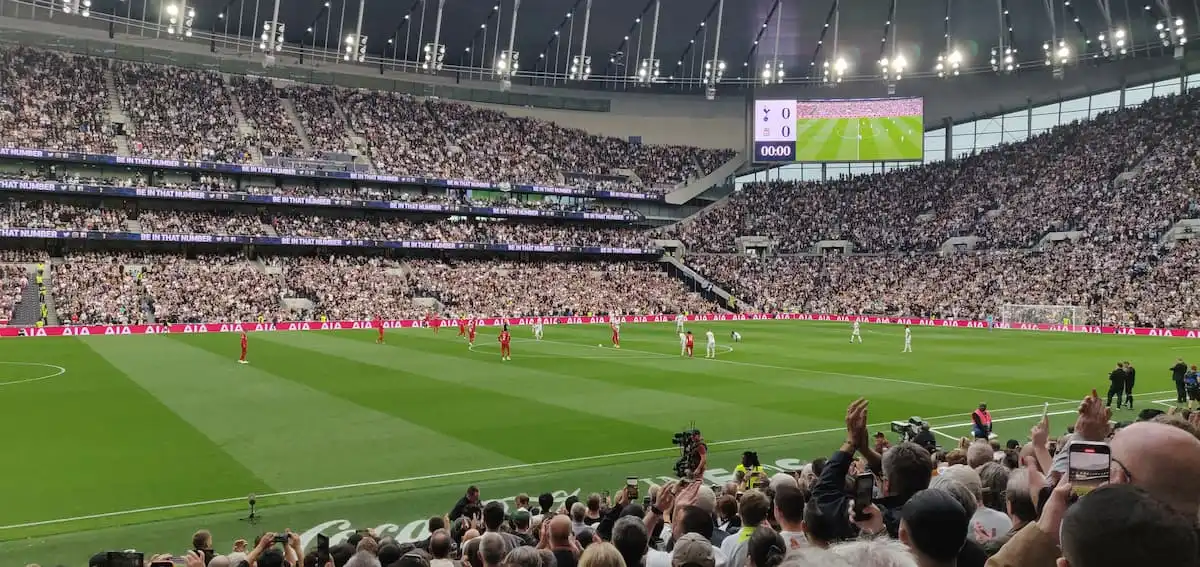
The secondary market becomes an appealing option when official access is limited, delayed or restricted by membership. It is a response to ticket scarcity and gives fans another way in
On resale platforms, prices move more directly with demand. A lower-profile fixture may sit closer to official pricing, while a derby, a top-six match or a decisive late-season game can rise sharply because more people want access than there are ordinary seats available.
This is where a comparison platform can be useful.
Ticket-Compare.com brings together listings from pre-vetted resale sites and official ticketing partners, often including hospitality, so fans can compare price ranges, seat options and availability in one place rather than checking several websites individually. Users then click through and purchase from the relevant provider.
When availability is low on the primary market, seeing multiple routes side by side can help supporters understand the real market for a given match, and can avoid buying blindly from less established sources.
Why Are Tottenham Hotspur Tickets So Expensive? | FAQs
Why are Tottenham Hotspur tickets so expensive?
Tottenham tickets are expensive because the club has strong demand, a premium stadium, limited ordinary match-by-match supply, category pricing and a business model that relies heavily on matchday income. The cheapest official prices exist, but they are not always easy to access.
Are Tottenham Hotspur tickets always expensive?
No. Lower-category fixtures can be more affordable, especially if bought early through the right membership window. The expensive feeling is strongest for major opponents, weekend fixtures, late buying, hospitality-heavy availability and matches where official stock disappears quickly.
Why do some Tottenham matches cost much more than others?
Spurs use category pricing, so opponent and demand make a big difference. Arsenal, Chelsea, Liverpool, Manchester United, Manchester City and other high-demand games tend to sit at the expensive end, while lower-demand fixtures may offer more accessible prices.
Does membership affect the price fans end up paying?
Yes. Membership adds an upfront cost and usually acts as the gateway to face-value tickets. It does not guarantee access, but without it many supporters have little chance of buying official tickets for popular matches.
Why do Tottenham tickets look more expensive on the secondary market?
Secondary-market prices move with demand and availability. When official tickets are scarce, resale prices can rise because buyers are competing for limited access rather than choosing from the full official price table.
Are hospitality tickets pushing up the average price?
They contribute to the wider price environment. Spurs’ premium and hospitality inventory gives the club a much higher pricing ladder, which makes expensive general admission seats sit below even more expensive premium products.
What is the safest way to buy Tottenham tickets if official stock is limited?
The most sensible approach is to avoid informal sellers and compare structured routes. Official availability, Ticket Exchange, hospitality and established resale platforms all work differently, so fans should understand what they are buying before committing.
How do official prices differ from wider market prices?
Official prices are set by the club according to category and seat location. Wider market prices move with demand, timing and availability, which means they can be higher or lower depending on the fixture and how much stock is visible.
Why Tottenham Hotspur Tickets Feel Expensive In Practice
Tottenham Hotspur tickets feel expensive because Spurs combine elite Premier League demand with a high-yield stadium model, limited ordinary availability, membership-gated access, category pricing and a large premium inventory.
The headline range of $50 to $145 does not give us the full buying experience. Many supporters encounter Spurs pricing only after cheaper seats have been absorbed by priority windows, season-ticket structures, limited availability or stronger demand for major fixtures.
That is why the practical question is not just what Spurs charge, but what fans can actually buy. When official access is restricted, platforms such as Ticket-Compare.com can help show the wider range of resale and hospitality options in one place, but the underlying reason remains clear:
Tottenham tickets are expensive because demand, scarcity and stadium economics all push in the same direction.
Today there are 229,012 Tottenham Hotspur tickets available through Ticket-Compare.com, starting at $65.
An approaching Spurs match with a lot of interest right now Chelsea vs Tottenham Hotspur at $199, though you can still get a spot through Ticket-Compare.com.
Related Articles:
When Do Tottenham Hotspur Tickets Go on Sale?
Best Place to Sit at Tottenham Hotspur Stadium
How Does the Tottenham Ticket Exchange Work?
How to Buy Tottenham Hotspur Away Tickets


